Life at sea: time and fair share
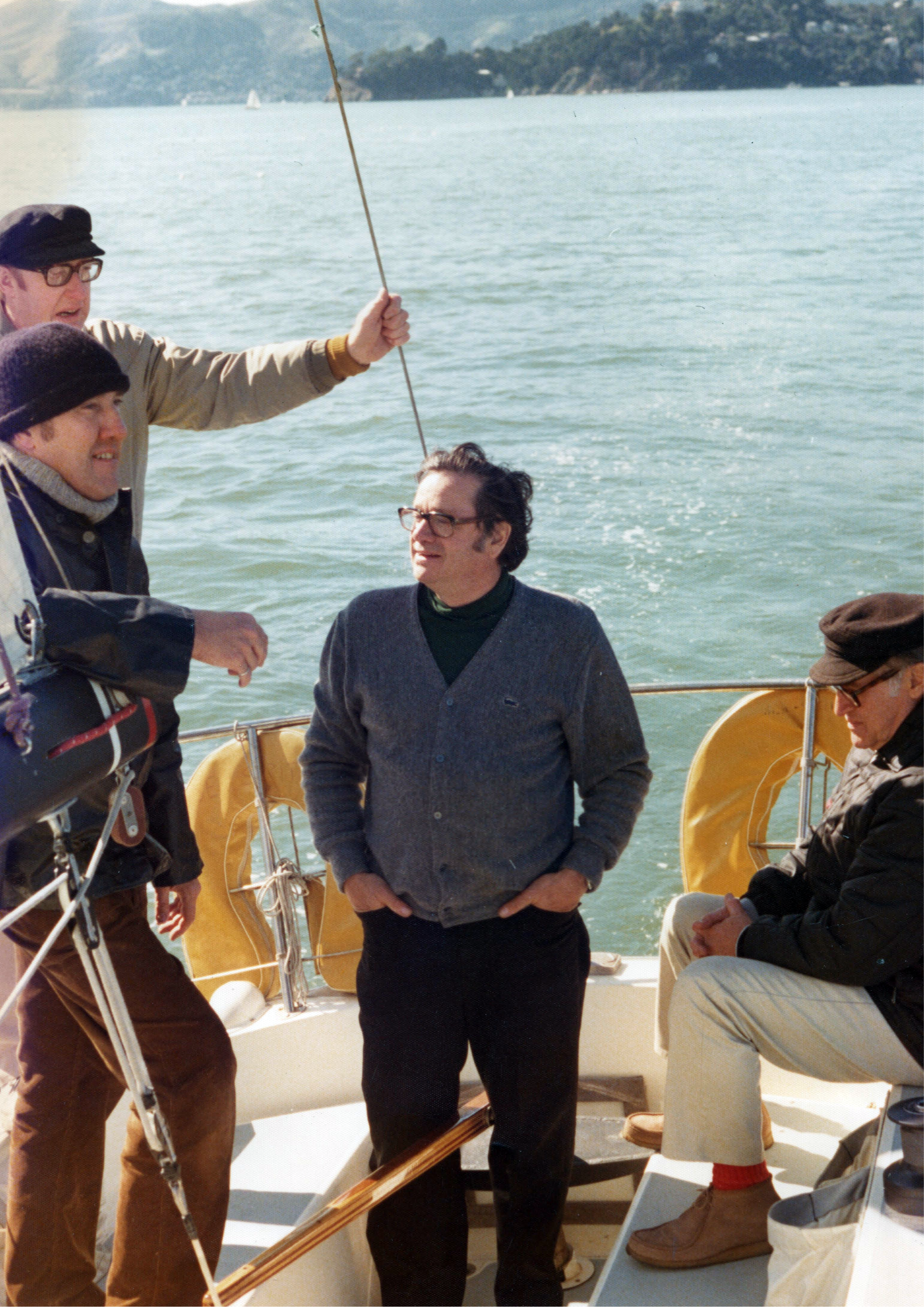
Life at sea is measured differently here. On this ship, time is divided by engines, schedules, and formal systems. On a small boat, the watches shape the entire rhythm. No hierarchy to enforce the flow. Just the crew, the sea, and the slow passing of hours.
That’s where I first learned the value of time.
Dave had a rule: the person taking over the watch should show up on deck at least twenty minutes early, ready to step in. He reasoned that the last thirty minutes of a watch were often the most tedious. Showing up a little early, coffee in hand, made those final moments for the person on watch not only bearable but even enjoyable. It also brought peace of mind. The person on watch could relax, knowing the change of watch would be seamless.
Often, there was a bit of conversation in that time, but just as often, you shared a quiet, companionable silence. When the moment came to formally switch, the person stepping in would say, “I am taking over the watch,” and the other would reply, “I am handing over the watch.” This small ritual was something Dave introduced, based on hard-earned lessons from earlier trips.
Before I sailed with him, Dave did a number of deliveries. The crews on those boats often started out as friends, but by the time they reached their destination, they weren’t such good friends anymore. He traced the problem back to two unspoken misunderstandings: one about time, and the other about “your fair share”.
Time, he said, is strangely open to interpretation. Punctuality means very different things to different people. Some, who are habitually late, assume that showing up a little late is acceptable, especially in a setting like sailing where there are no meetings or strict deadlines to attend. Worse, they sometimes make the person left waiting feel small or petty for being annoyed. Dave’s solution was this: never expect generosity from someone else unless you are prepared to offer it yourself, consistently. Showing up twenty minutes early for your watch was proof of that. It was so simple and clear that no one could misinterpret it.
The second misunderstanding was around the idea of “fair share.” According to Dave, if you always did what you believed to be 150 percent of your fair share, others might acknowledge that you were doing your part—around 100 percent. But if you aimed to do exactly your share, what you believe is 100 percent, others feel you were often slacking. Worse still was comparing your share of contribution to someone else’s. That, he said, was the surest way to make sure nothing got done.
I carry Dave’s voice with me as I move through this new routine. Fairness still matters. Generosity still matters. And sometimes, showing up twenty minutes early with coffee in hand is still the most meaningful thing you can do.
Comments