Provisioning the boat
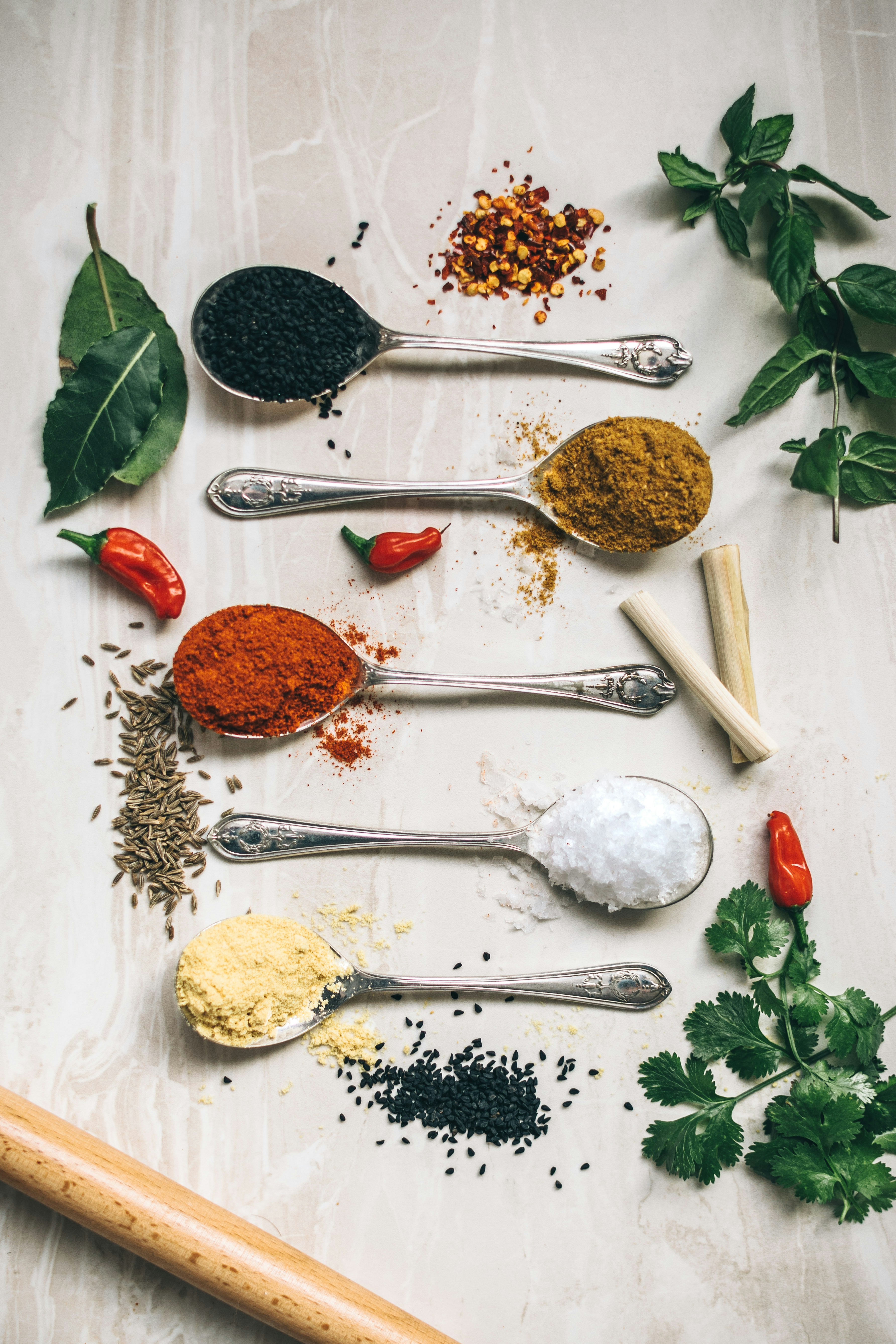
When my mother, Pat, was on the boat, she was the one who took care of the provisioning. She taught me a lot about the art of it. It wasn’t about volume so much as the variety. Yes, you needed your staples (e.g. rice, pasta, crackers), but more importantly, you needed the right spices and condiments.
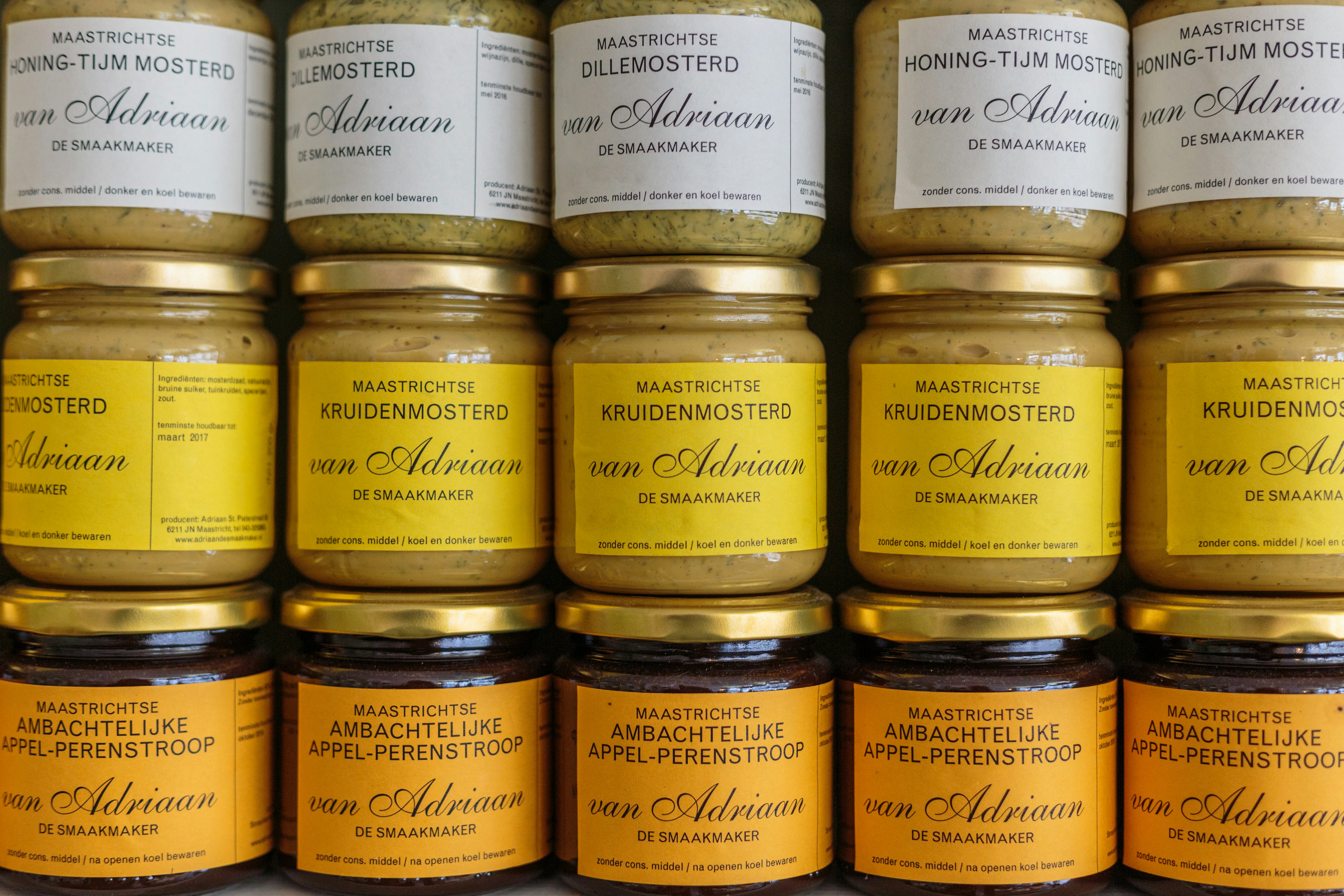
She had a way of finding local specialities wherever we docked, and they always brought something unexpected to the meals. On the west coast of British Columbia, it might be pickled goods. In the Grenadines, it could be homemade relishes or chutneys. And in France, she went all in for the treasures of mustard, cheeses, pâtés, foie gras, and jams. No matter where we sailed, she returned with delicacies.
I don’t remember her ever giving formal lessons on food storage. Yet looking back, I knew so much without needing to be told.
The main principles were simple but effective:
Weight
Heavy items went at the bottom of the storage areas, usually under the bunks. There should only be one, maybe two levels of tins. We used bags of rice or other heavy goods to press down on the tins and keep them tightly packed. That way, if the seas got rough, nothing rolled around.
Lightweight items
These went on top. Items used less frequently were placed toward the back, closer to the hull. You always had to unpack the front first to reach the tins in the back, so it made sense to keep the everyday things easy to grab.
The spice area
This was always kept close to the stove. Jams, hot sauces, soy sauce, and other spices and condiments lived there too. A small corner of magic.
The refrigerator (or ice box)
Everything that needed to stay coldcold had to touch the bottom of the box; that's where the cooling element was. Milk, meat, and mayonnaise went down there. Lettuce, tomatoes, and eggs lived nearer the top.
There was also a quiet rhythm to how Pat moved things around. Every day or two, she’d shift items from the bottom to the top, or from the back of a storage bin toward the front. It was part of how she decided what to cook next. A kind of moving meditation.
Her way of provisioning was to fill up the boat with a good mix of staples and fresh produce. She didn’t meal plan or shop with recipes in mind. She trusted the ingredients would speak to her when the time came.
And they always did.
Reading this back, I’m struck by how much provisioning has in common, whether it’s for a family sailboat or a 260-meter bulk carrier. In a recent podcast interview, I spoke with Henning, Head of Procurement, who explained how his team supplies ships with everything from engine parts to fresh produce. The scale is different, but the care and precision feel oddly familiar.
* Photo by Peter Werkman on Unsplash
Comments