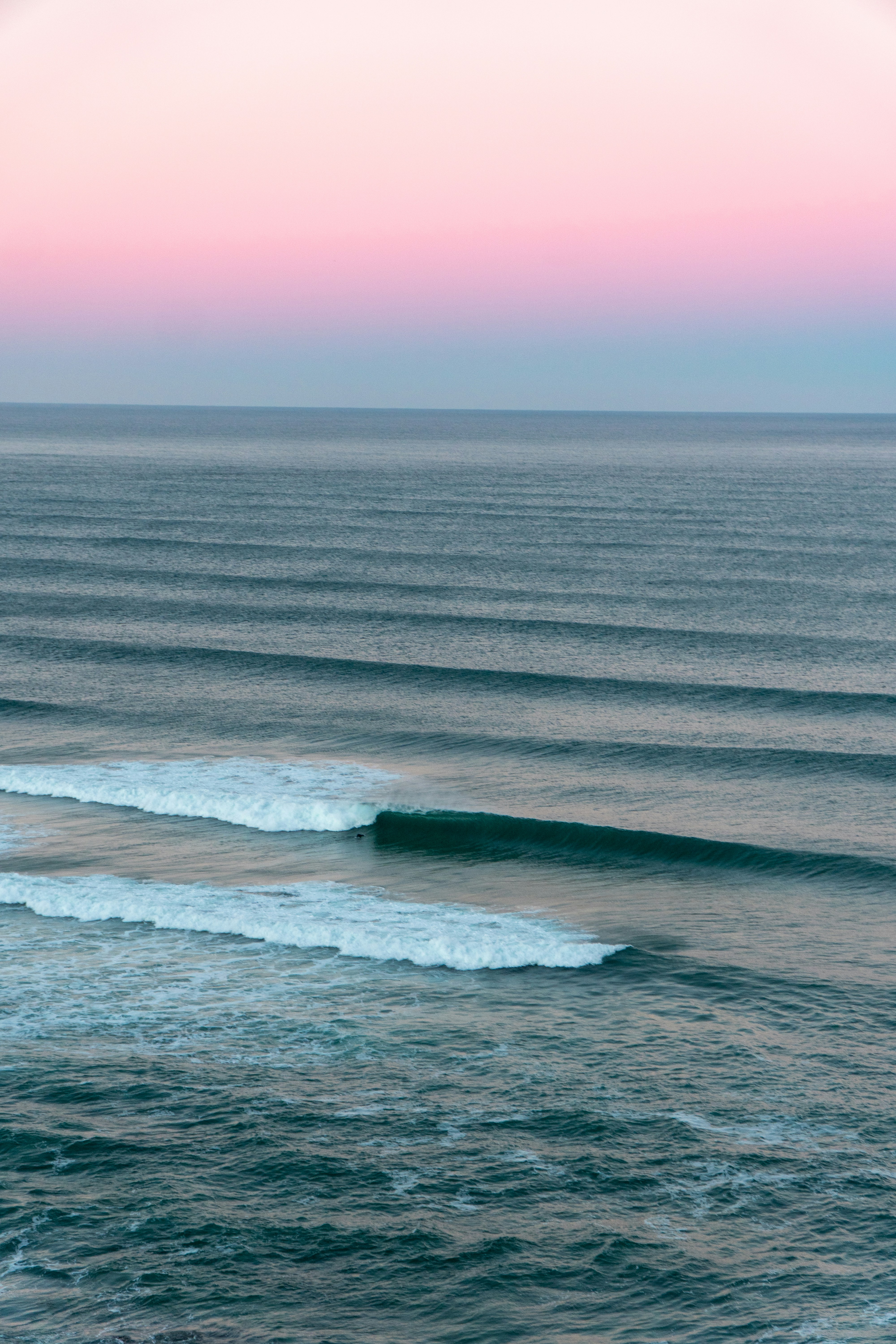
Long swells of aging
When I was on the vessel, we went through some severe storms. It was exhilarating and frightening in equal measure. At times, it felt like a rollercoaster, thrilling in its intensity, almost fun in its wildness. At other times, after nights of little sleep, it was simply hard and unsettling. Then, eventually, the wind eased and the waves calmed.
But even in calm weather, the sea held on to something. Days stretched where the ship rolled in long, heavy swells. It was not dangerous or dramatic, but it was relentless. Drawers slid open and shut, doors slammed against their frames, and walking downstairs meant pausing to grip the railings. Outwardly, everything looked steady, but inwardly, the body never quite settled. Those swells were the leftover energy of storms already past, and they stayed with us for days.
It struck me then that long swells are a good metaphor for aging. In life, too, the great storms eventually pass. We come through illness, upheaval, loss. We survive the shock and the drama. Yet something of them remains, rolling through us long after. They destabilize, sometimes subtly, sometimes harshly, but always with persistence. Even when life looks calm on the surface, inside there are movements left behind by past storms.
It made me think of Dave. Around the age I am now, he began what, in hindsight, seemed like a slow process of letting go. Perhaps he did not realize it, and I certainly did not at the time, but he became more reckless, less patient with himself. Physically, he could no longer do what he once had, and it weighed on him, as if he were caught in a long swell that dragged at his strength.
There were triggers. He survived a terrible flesh-eating bacteria he got while scraping down the hull in a mangrove in Cuba, a disease that nearly killed him. I remember him saying he found it curious that the doctors’ talk of death did not disturb him much. It was not that he wanted to die, but he was surprised by how calmly he could face the possibility. That calmness stayed with him, a kind of new familiarity with mortality.
And then there were the losses. Dore died around this time, and soon after came the news about Patrick, their British friend who ran a restaurant in St George’s. Diagnosed with advanced cancer, he chose no treatment, deciding instead to spend his last months with his adult children in England. Before leaving, he held a farewell party. Pat could not bring herself to go, but Dave did. He came back deeply moved. Patrick spoke of mortality without regret, of a life already full, and of the strange relief of not having to grow old. Coming so close to Dore’s death, that conversation left a lasting mark on Dave.
From then on, it seemed as though he was less invested in the long future. When he survived the bacteria, when doctors filled his heart with medicine, and somehow, he carried on, it should have felt like a rebirth. For a short while, maybe it did. But I also think it left him with the same conclusion his father had reached years earlier, when he lost his sight to cataracts: that the long decline of aging was something he did not want to face.
Looking back, I see that Dave never quite found a way to live with those long swells. He valued strength, independence, and control. The low rhythms of frailty, compromise, and vulnerability were not ones he could accept. For him, life had always been about taking charge, deciding what should be done, how, and why. When that no longer worked, he seemed to lose his footing.
And so, as I think about my own late sixties, I come back to that image of the sea. I, too, have faced crises of health, burnout, and overwork. I have promised myself never again, only to repeat the pattern when another storm arrives. But unlike Dave, I want to learn to live with the swells that follow. To see them not only as depletion but as another rhythm of life. One that is slower, perhaps heavier, but still capable of carrying me forward.
I also realize how fortunate I have been to have had Dave as a mentor, along with a few other remarkable people. Their influence has shaped me, given me resilience, and taught me to face challenges with as much wisdom and kindness as I could. But lately I have wondered whether that mentorship has reached its natural end. Perhaps what is needed now is not more lessons from the past, but a fresh, untested faith in myself. A young faith, despite my age, that I can handle what lies ahead.
Because storms do pass. What remains are the long movements that shape us, in between the drama of flat seas and violent skies. To dance with those swells, to accept them, even to love them, may be the truest way of aging.
Comments