Cooking at sea
When I was provisioning for longer stretches at sea, I had a simple formula for two-tin and three-tin meals. Any pasta dish qualified as a two-tin meal: fresh vegetables added to tinned tomatoes and mushrooms. Chilli sin carne was a solid three-tin option, i.e. baked beans, kidney beans, and tomatoes.
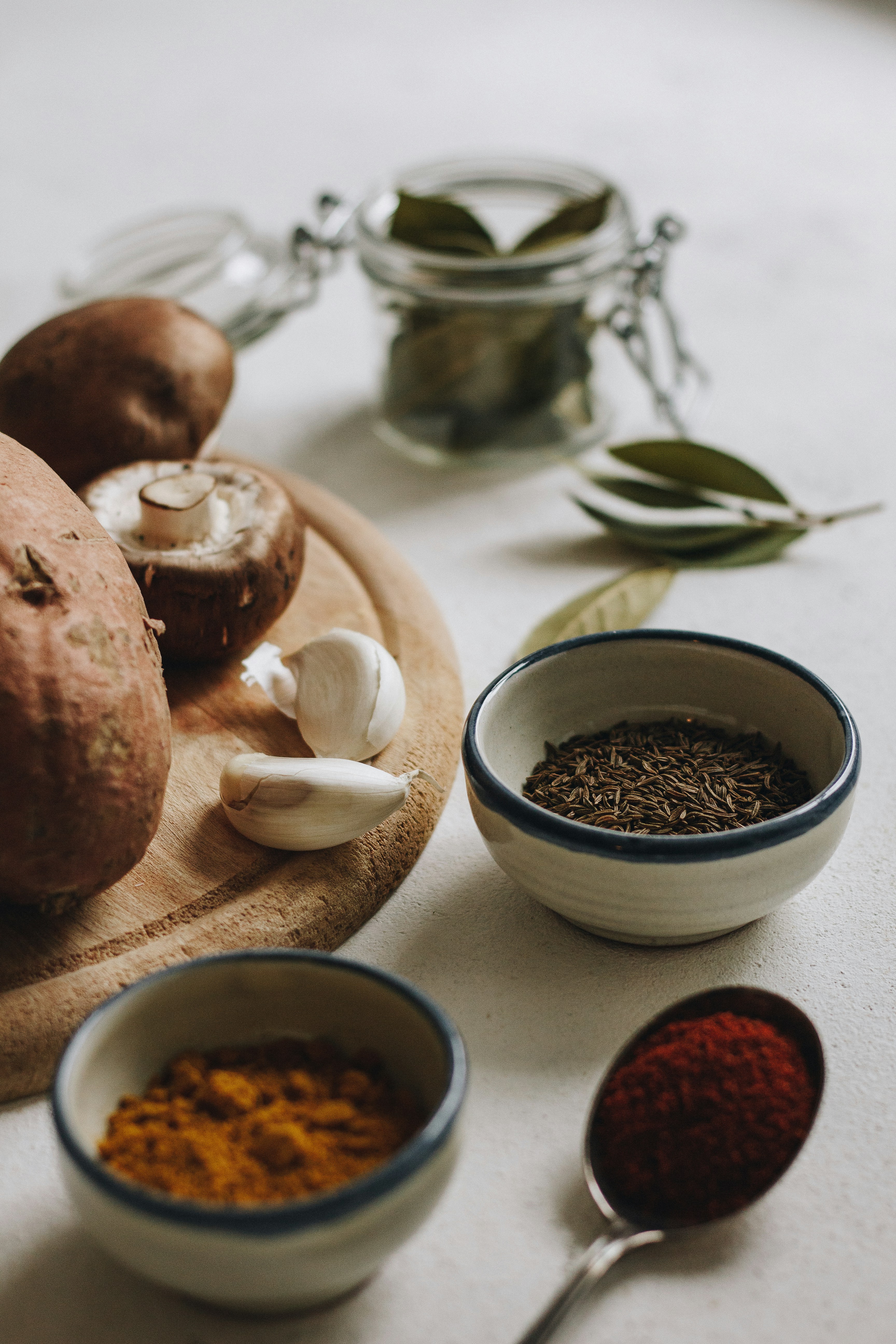
I’d always dress up these meals with spices, onions, and garlic, fresh, never powdered, and whatever fresh vegetables we had. Still, our main plan was always to fish as we sailed. When we caught something, Dave or I would clean it on deck so we could hose it down afterwards. If the fish was too large for the oven, we’d fillet it and stretch it out over a few days, baking, steaming, or turning it into a stew.
Meat was something I almost never cooked, not because I’m pescatarian (though I am), but because it’s hard to trust the meat you find at small harbours along the way. Add to that the unpredictability of the refrigerator’s cooling system, and it just wasn’t worth the risk.
So, when no fish came, we leaned on pasta dishes, hearty stews, and soups.
Breakfasts were usually substantial, especially during the long crossings. I’d make hash browns, beans, salads, even rice to go along with omelettes and toast. I liked the quiet energy of cooking in the morning, the motion of the boat underneath, and the light changing slowly.
One of Dave’s requests was that I always fry onions and garlic, regardless of what else was on the menu. He said the smell of those two things cooking was the most comforting smell in the world. It meant the world was right, and dinner was on its way.
Comments